Guide
Best Open-Ear Face Mask for Hiking & Trail Running
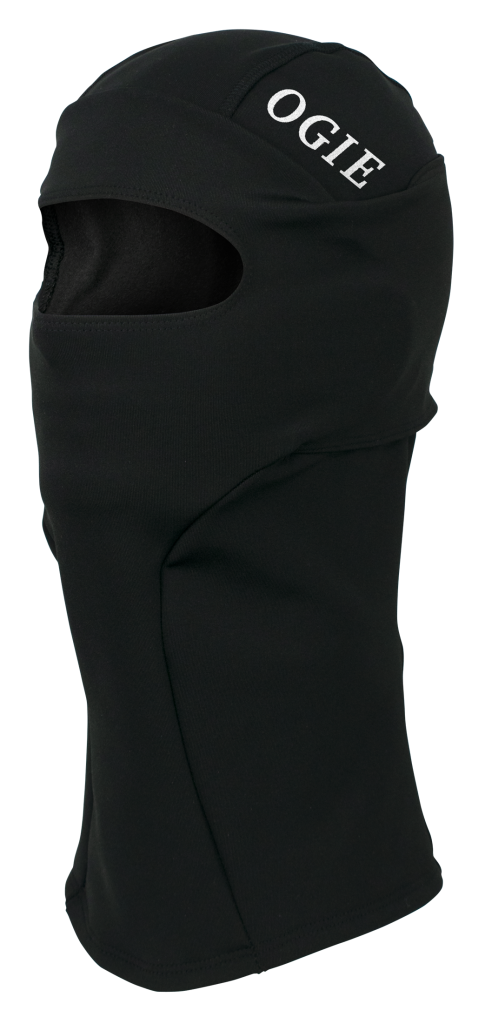
On the trail, you need to hear your surroundings — wildlife, other hikers, weather changes — while your face stays protected from wind, sun and cold. Ogie in Gray, Camo or Black, weight matched to the season, is a proven trail piece.
A trail-running or hiking face mask solves problems specific to time outdoors: sunburn on ridgelines, windchill on exposed passes, cold air on the lungs at altitude. But you can't trade situational awareness for that protection — wildlife, weather cues, other trail users all need to come through clearly. Open-ear designs are made for exactly this trade-off.
Why hearing matters on the trail
You want to hear wildlife (bears, mountain lions, snakes), other trail users approaching from behind, and weather cues like distant thunder. A muffling balaclava reduces your ability to react. On bear-country trails an open-ear mask is arguably a safety requirement, not a preference.
Which weight for summer alpine hiking?
Lightweight (180gsm, no fleece). Blocks sun and wind at altitude without overheating you on the ascent. Perfect for above-treeline days where UV is intense and afternoon storms roll in.
Which weight for winter hiking?
Heavyweight (300gsm, fleece). Cuts wind on exposed ridges and keeps your face warm during stops. Pair with a beanie for full head coverage on the coldest days.
Does it work with a hydration-pack sternum strap?
Yes. The mask sits under any pack strap without bunching. Pack fit isn't affected.
What about thru-hiking use?
Ogie is machine-washable and dries in a couple of hours hanging on a pack. Weight is 40-55g depending on which version. It compresses to the size of a fist for pack storage.
Can I use bug repellent under it?
Yes u2014 DEET-based repellents don't damage the fabric. Apply repellent to skin first, let it dry 30 seconds, then pull on the mask.
Sun protection rating?
The tighter-weave fabric blocks ~95% of UV on covered areas u2014 treat it as full-coverage sun protection for your face and neck, which is a real benefit on high-altitude or snowfield days.